

Lecture with discussion workshop: Accessible communication and the art of effective symptoms and history taking
02 Mar 2026
Dispensing Workshop
Lecture with discussion workshop
Effective communication is central to delivering truly person-centred care. This session explores how to carry out a thorough history and symptoms for patients with sight loss and other support needs in primary care and low vision settings. Drawing on NICE guidance, the Accessible Information Standard, and RNIB recommendations, the session demonstrates practical ways to adapt communication, assess functional and emotional impact, and set meaningful clinical targets. Following a short presentation, participants will work in small groups to discuss real-world scenarios, share experiences, and develop strategies to enhance inclusive and compassionate patient interactions.
Learning outcomes:
- Practitioners will be able to adapt their history and symptoms taking to meet individual communication needs, applying the Accessible Information Standard to ensure patients can fully engage with their care, relative to their scope of practice
- Practitioners will be able to communicate appropriately with patients, families, and carers while maintaining confidentiality and safeguarding standards of professional conduct
Speakers
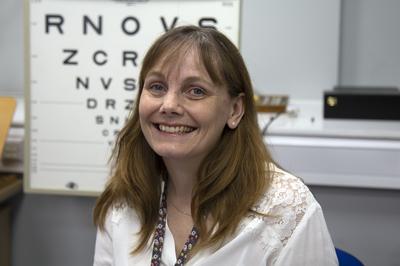

Target professional groups
Optometrist,Dispensing optician
Domains
Communication,Professionalism
Interactive CPD Points
2
)
)
)
)
)
)
)
)
)
)
)
)
)
)
)
)